

Python dominates AI and machine learning for a simple reason: its ecosystem. Most projects are built on a small set of libraries that handle everything from large-scale data loading to deep learning, and knowing them makes the entire development process faster and easier. This guide breaks the ten most important down in a practical order — core data science foundations first, then deep learning and computer vision, and finally the specialized machine learning workhorses.
Core data science libraries
These are non-negotiable: any work that touches data goes through them, and AI/ML fundamentals depend on knowing them well.
1. NumPy — Numerical Python
Everything starts here. If Python is the language, NumPy is the math brain behind it. Python lists are heterogeneous — every element can be a different type, which forces type checking during operations. NumPy arrays are homogeneous, with the data type fixed at initialization, allowing much faster vectorized computation.
Used for: vectorized mathematics, linear algebra, and random sampling. Nearly every serious ML or deep learning library relies on NumPy quietly doing fast array math in the background. Install with:
pip install numpy
2. pandas — Panel Data
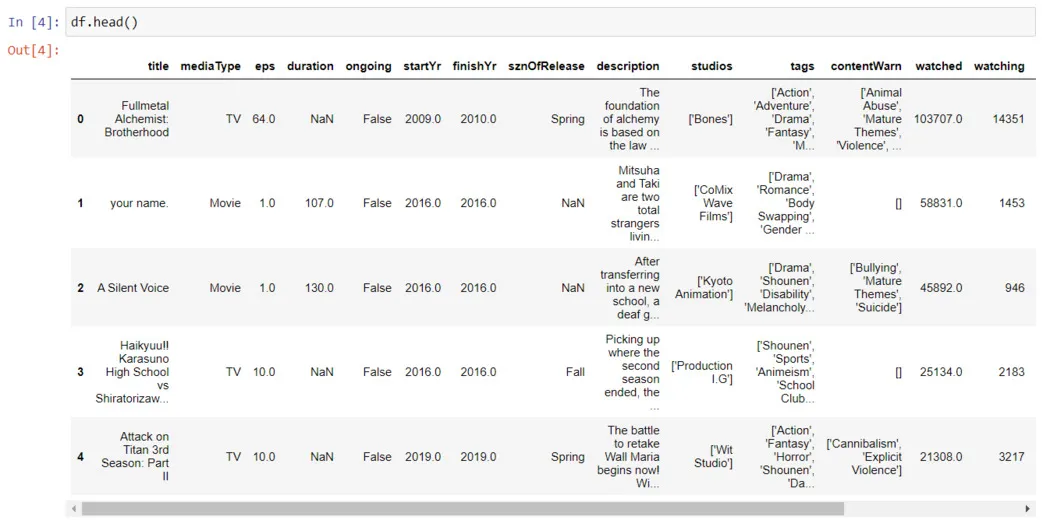
pandas turns messy data into something that can be reasoned about — spreadsheet-like power with actual logic and reproducibility instead of error-prone manual editing. It shines on large structured datasets.
Used for: data cleaning, feature engineering, and aggregation over structured, tabular, or time-series data. Install with:
pip install pandas
3. SciPy — Scientific Python
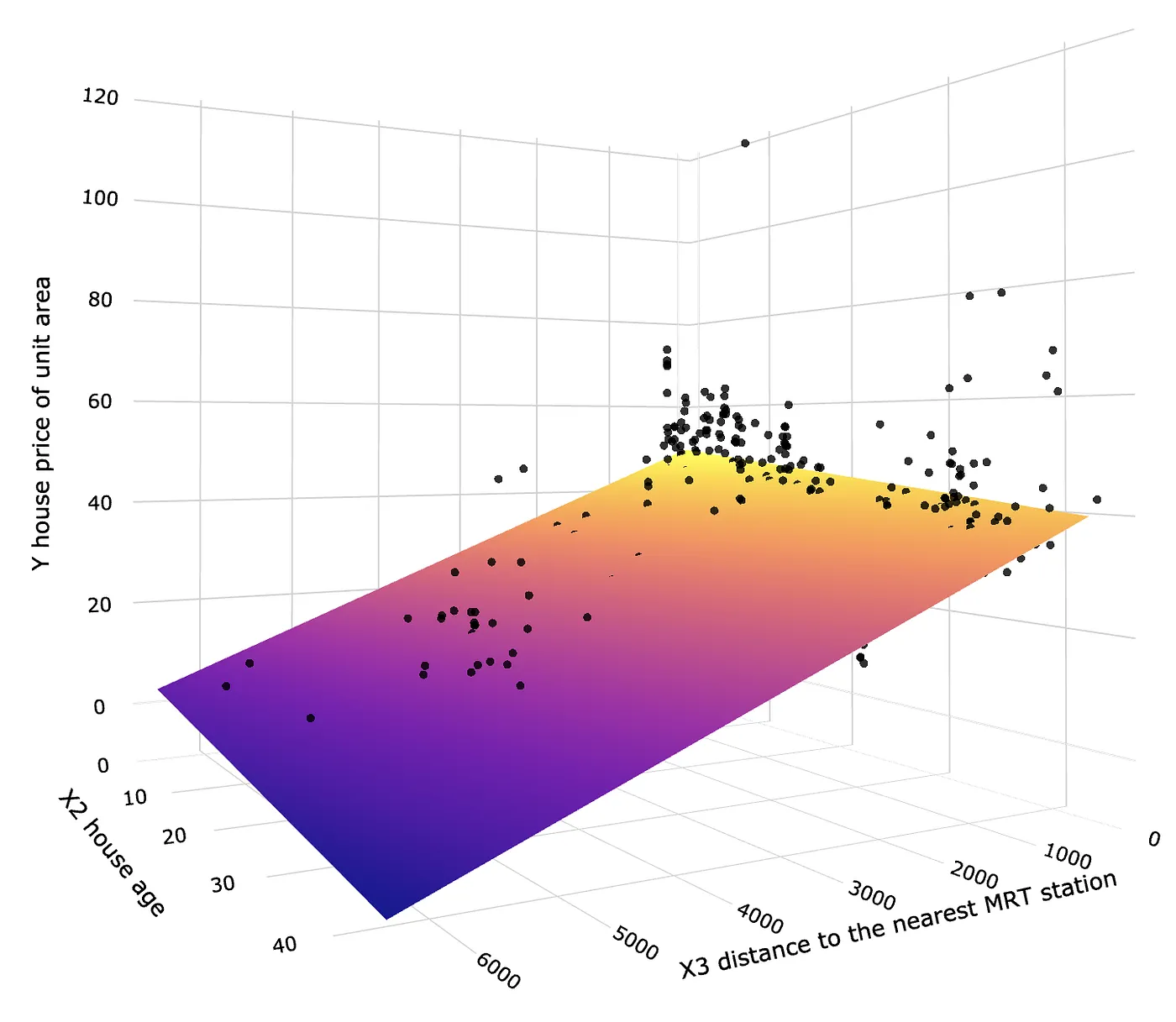
SciPy picks up where NumPy alone is not enough, providing a deep toolbox for real scientific problems.
Used for: optimization, statistics, and signal processing — scientific and mathematical work in one place. Install with:
pip install scipy
Deep learning libraries
This is where neural networks live.
4. TensorFlow
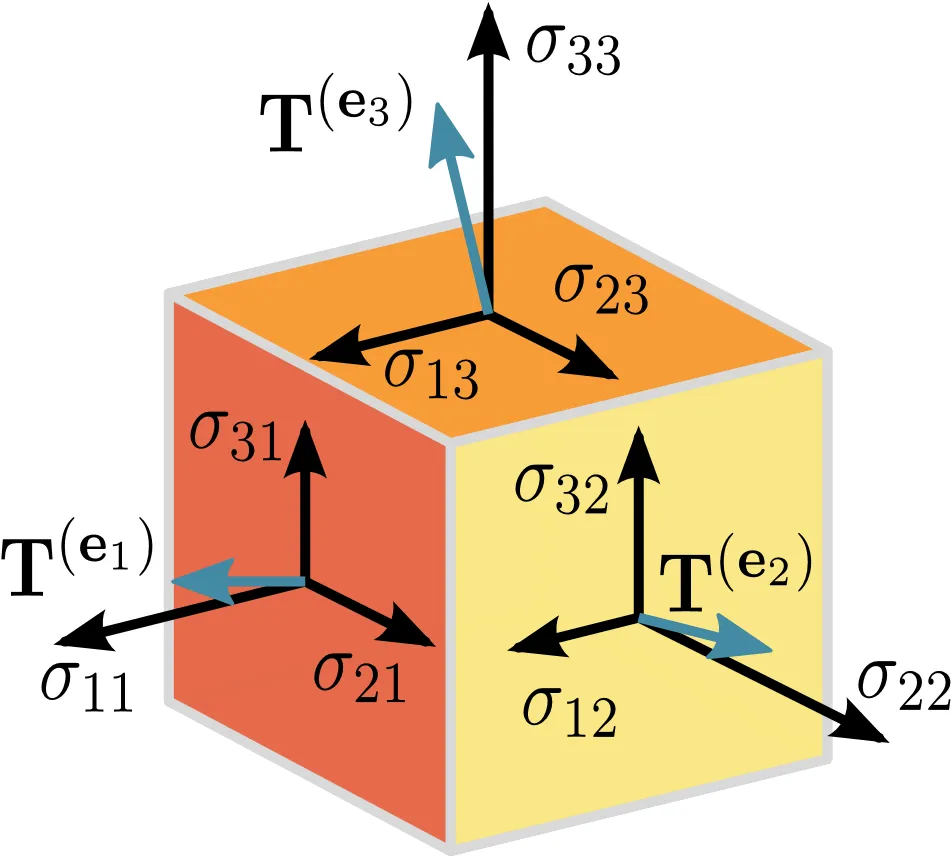
Google’s end-to-end deep learning platform. TensorFlow is built for the moment a model needs to leave the laptop and survive in the real world: structured, deliberate, and designed for deploying models at serious scale.
Used for: neural network training and production model deployment, backed by one of the strongest ecosystems in AI. Install with:
pip install tensorflow
5. PyTorch
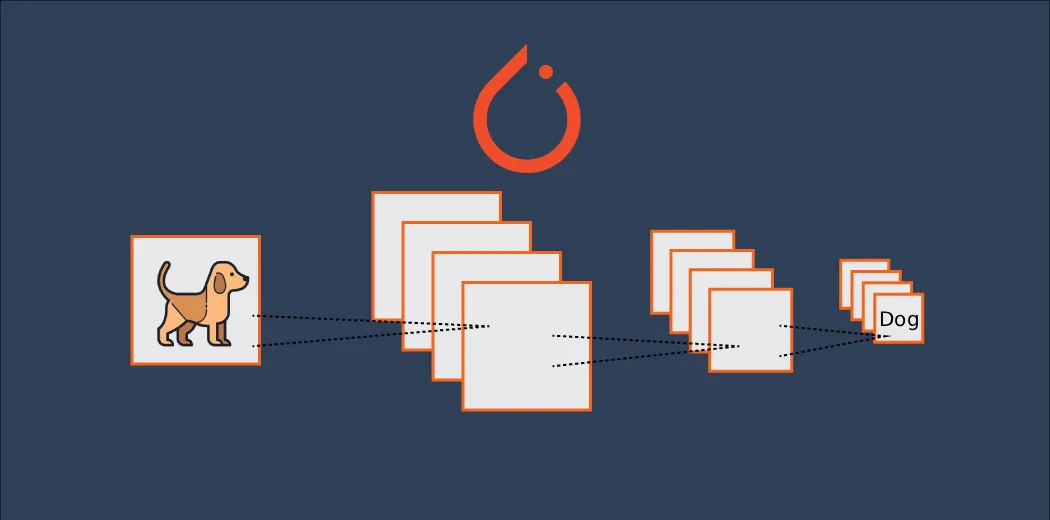
Meta’s research-first framework. PyTorch feels like writing ordinary Python that happens to train neural networks — less abstraction, more control, less fighting the framework — which is exactly why researchers favor it.
Used for: research, prototyping, and custom architectures. Install with:
pip install torch
6. OpenCV — Open Source Computer Vision
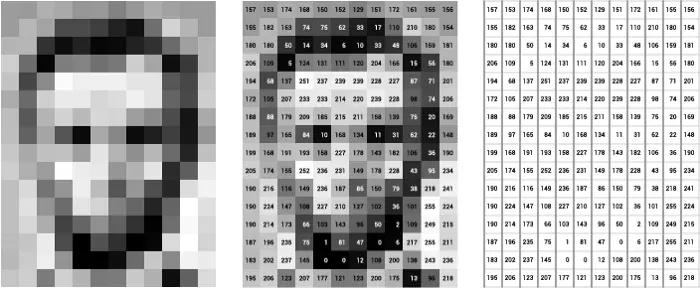
Machines start seeing the world with OpenCV. It handles the low-level details of images and video so developers can focus on high-level vision problems rather than pixel math.
Used for: face detection, object tracking, and image-processing pipelines that integrate with machine learning. Install with:
pip install cv2
Machine learning libraries
This is where models get built.
7. scikit-learn
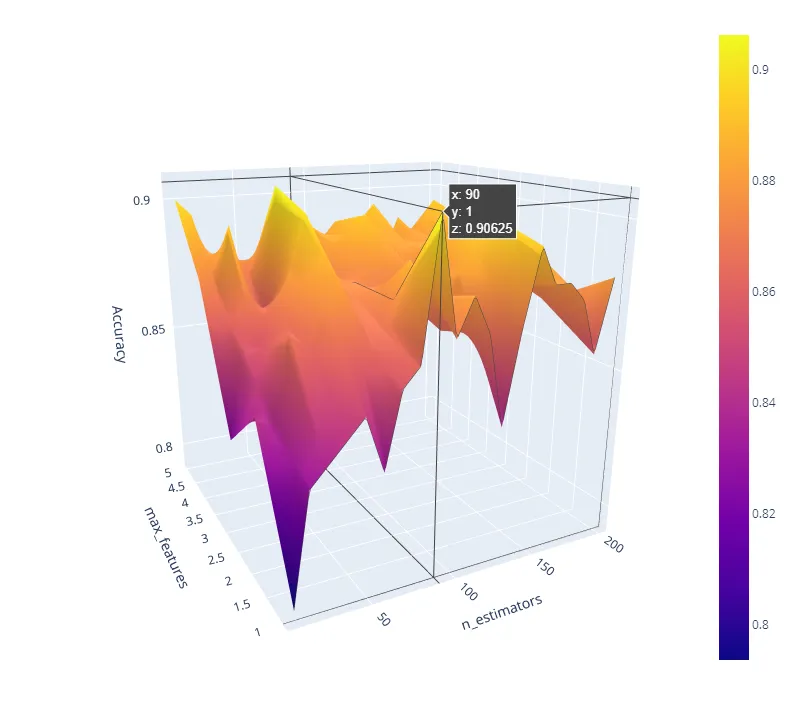
scikit-learn is the library that teaches what machine learning really is: a clean API, a broad set of algorithms, and just enough abstraction to learn without hiding how things work.
Used for: classification, regression, clustering, and model evaluation, with seamless integration into the Python data science stack. (Practical tuning techniques are covered in these seven scikit-learn tricks for hyperparameter tuning.) Install with:
pip install scikit-learn
8. XGBoost — Extreme Gradient Boosting
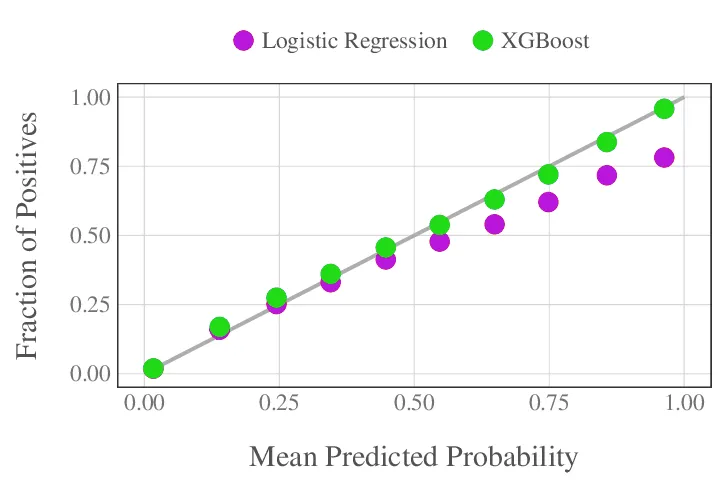
XGBoost is the reason neural networks do not automatically win on tabular data. It is fast, heavily optimized, and remains one of the most robust baselines in real-world ML.
Used for: tabular data, structured prediction, and feature-importance analysis, with built-in regularization against overfitting. Install with:
pip install xgboost
9. LightGBM — Light Gradient Boosting Machine
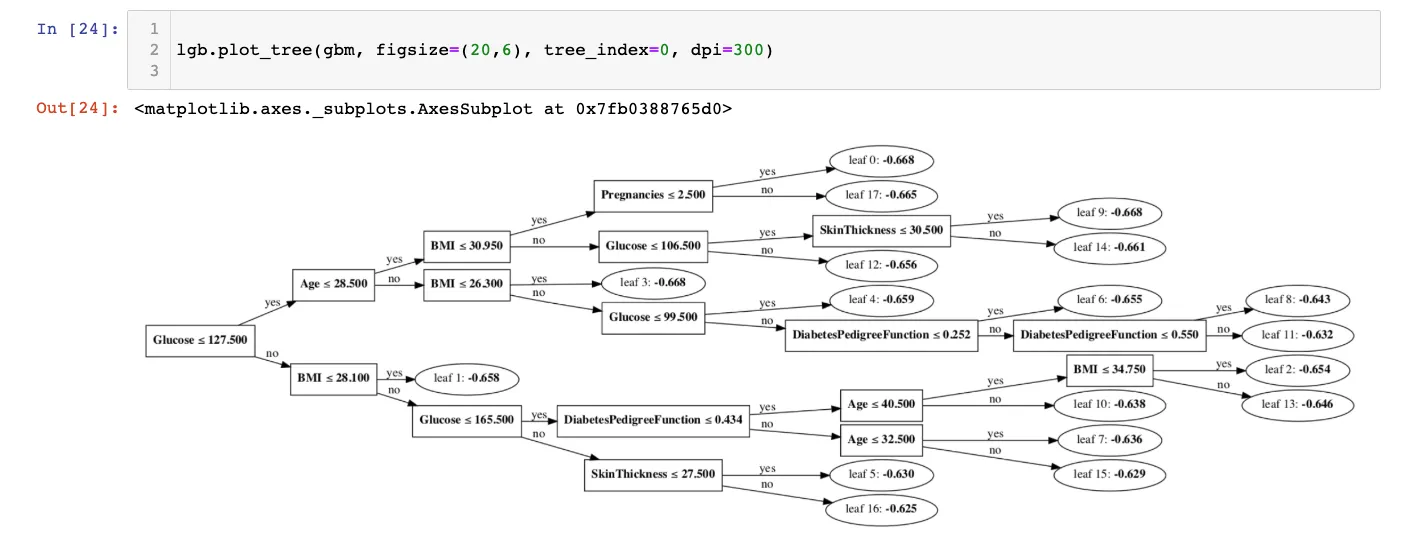
Microsoft’s faster alternative for when XGBoost starts to feel slow or heavy. LightGBM is designed for speed and memory efficiency, especially on huge or high-dimensional datasets.
Used for: high-dimensional data, low-latency training, and ML at scale. Install with:
pip install lightgbm
10. CatBoost — Categorical Boosting
CatBoost is the tool of choice when categorical data becomes a pain. It handles category-heavy datasets intelligently out of the box, meaning less time encoding features and more time modeling.
Used for: category-heavy datasets, minimal feature engineering, and strong baseline models. Install with:
pip install cat boost
Final take
It would be hard to build a serious AI/ML project without these libraries — most practitioners eventually touch all ten. A typical learning path runs: pandas → NumPy → scikit-learn → XGBoost → PyTorch → TensorFlow, moving from fundamentals to the advanced frameworks built on top of them. The order is a guide, not a rule; needs and projects should drive the choice. Those building on large language models can continue with this companion roundup of Python libraries for LLM applications.
Frequently asked questions
Which library should beginners learn first for AI and ML? Start with pandas and NumPy, then move to scikit-learn before touching deep learning libraries.
What is the main difference between PyTorch and TensorFlow? PyTorch is preferred for research and experimentation, while TensorFlow is built for production and large-scale deployment — though the gap has narrowed as both ecosystems matured.
When should CatBoost be used over other boosting libraries? When a dataset has many categorical features and minimal preprocessing is the goal.
Limitations and what to watch
- Library rankings age quickly; JAX, Polars, and the Hugging Face stack are increasingly common in modern workflows and deserve a look alongside this core ten.
- “Best” depends on the task: gradient boosting still tends to win on small-to-medium tabular data, while deep learning dominates unstructured data (images, audio, text).
- Install commands assume standard environments; GPU builds of TensorFlow, PyTorch, and the boosting libraries have their own platform-specific instructions — the official documentation at pytorch.org and scikit-learn.org is the current authority.

