
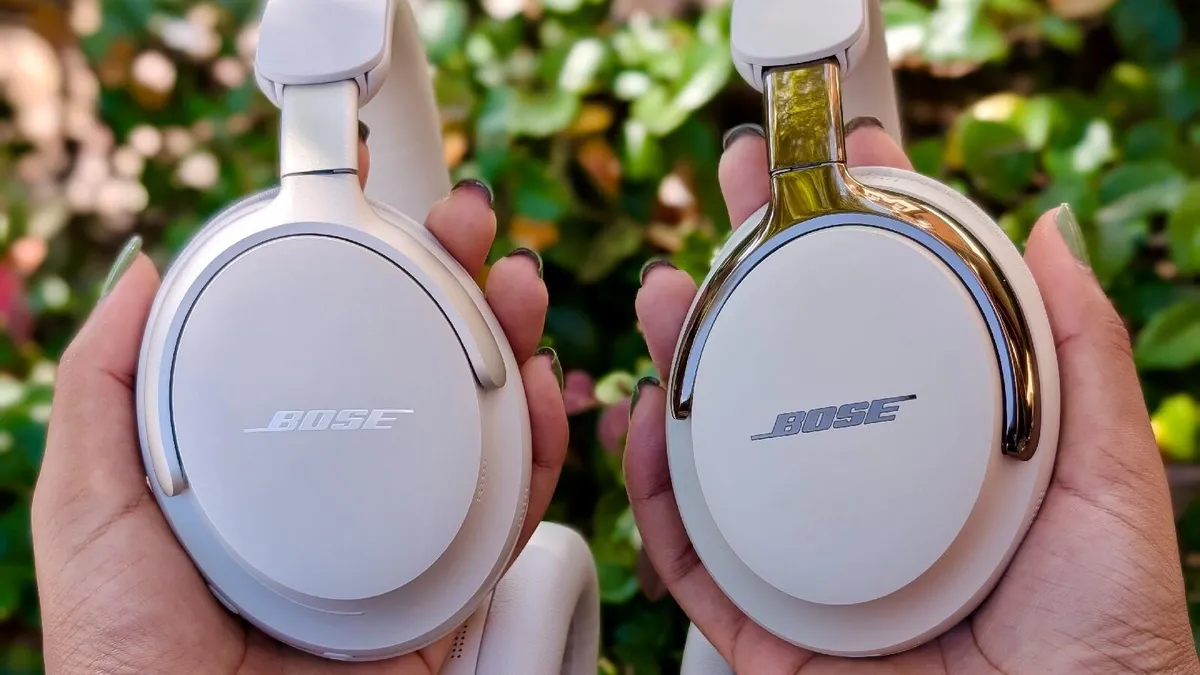
Bose QC Ultra (left); Bose QC Ultra 2 (right)
Jada Jones/ZDNET
Follow ZDNET: Add us as a favorite source On Google.
Over the years, your favorite pair of headphones or earbuds may become as essential to your daily life as your smartphone. If you’re like me, forgetting your AirPods at home can ruin your day. It’s important to consider all of your headphone and earbud options, as the right option for one person may not work for another.
Also: The Best Headphones and Earbuds of 2026
That’s why, at ZDNET, we review tons of headphones and earbuds for all purposes and budgets. Different headphones and earbuds have different use cases, and our testing methods are tailored to those use cases. We often publish long-term reviews and revisit headphone performance after sustained use to determine which features excel and which fall flat.
How we test headphones and earbuds in 2026
Our experts sleep, work, run, swim, hike, watch movies, and listen to music to test headphones and earbuds. During testing, we put our daily drivers in their carry cases and use the review unit in our everyday lives to see how the devices perform in real-world conditions.
Typically, we receive review units from manufacturers before they are available to the public. We use the period between receiving the product and publishing our review to spend as much time as possible putting the review unit through daily use and wear and tear. We also test product software features and contact manufacturers when needed.
Here’s a general overview of our headphone and earbuds testing methodology, so you can better understand how a pair of headphones or earbuds makes our list of recommendations.
How do we decide which pair to recommend
A pair of headphones or earbuds ZDNET recommends when our testing concludes that the device is above average in at least one of our testing categories. Once we’ve made that determination, we add headphones or earbuds to one of our buying guides, which are tailored for those looking for headphones to serve a specific purpose.
We understand that everyone has different uses, wants and needs when looking for headphones and earbuds. Our mission is to recommend a range of products that best meet everyone’s individual preferences.
Some headphones may be excellent in design and comfort but fall short in noise cancellation. Despite that product’s shortcomings, we understand that some people don’t want headphones with loud noise cancellation and prefer headphones that offer more comfort. We treat all metrics equally during testing, but we take care to tell our readers that no product will serve their best interests. Here are the top factors we consider when testing headphones and earbuds.
Comfort and Design
Your headphones and earbuds should provide hours of comfort, especially if you plan to wear them while working, studying, or traveling. Like many headphone and earbud benchmarks, comfort can be subjective since everyone’s head and ear shapes are different.
To remain as objective as possible, we wear headphones and earbuds for hours and note in our reviews when they become uncomfortable.
Headphones and earbuds come in various material finishes. Some are made mostly of plastic, while others are made of more durable materials like aluminum and stainless steel. Since headphones and earbuds accompany you in your daily activities, we wear them for long periods of time to assess their durability.
We evaluate whether headphones’ earpads crack, tear, or break, determine how well a pair of headphones or earbuds can withstand drops, and twist and turn the headphones to listen for any creaks or unnatural noises.
noise cancellation
Noise-canceling properties are less subjective, as the number of decibels canceled by a pair of headphones or earbuds can be measured on a noise-level chart. However, some of our readers may be less interested in the charts and more in how the headphones or earbuds perform in specific environments.
Also: The best noise-canceling earbuds of 2026: expert testing and reviews
To give you the best idea of how well a device cancels out noise, we wear noise-canceling headphones and earbuds in environments with varying noise levels, including grocery stores, offices, trains, planes, gyms, and coffee shops. We record which sounds we can hear and which sounds are hidden or quite low, to show you which noise-canceling headphones or earbuds will perform best in your daily life.
sound quality
Sound quality is the most subjective metric when testing and reviewing headphones and earbuds. Everyone’s ears perceive sound differently, and hearing is a spectrum. Additionally, headphones and earbuds may sound different depending on whether noise cancellation is enabled, your preferred music streaming service, the operating system of your listening device, and which Bluetooth codec your headphones or earbuds may use.
To see this subjectivity in action, read one of our headphone reviews, compare our experts’ opinions with the opinions of our contemporaries, and observe the difference in feelings. We describe how we listen to sound through a pair of headphones or earbuds and explain what factors may contribute to our findings.
Also: Best AirPods 2026: Every pair of Apple headphones and earbuds I’ve used — these are the winners
Our experts test the sound by listening with transparency and noise-canceling modes on, which enables us to note any differences in sound. We also listened on iPhones, Android phones, laptops, TVs, and tablets to register a noticeable sound difference. There may be a noticeable difference in sound quality when listening to Apple Music vs. Spotify, so we test for that as well.
Additionally, we test wireless headphones with their included wires to determine whether a pair can be heard actively or passively.
battery life
Battery life is an objective benchmark when testing headphones and earbuds, but it can be affected by a number of factors. Battery life may vary from manufacturer claims depending on how loud you listen to the headphones or earbuds, whether noise cancellation or spatial audio is enabled, the length and frequency of phone calls taken while wearing the headphones, and the settings of your hearing device.
We track battery life using all of the headphones’ features to see how well they match the advertised number of hours of continuous use.
unique use cases
Some headphones and earbuds are better suited for specific use cases than others, and it’s our job to tell our readers which pair will be the best fit for them. To do this, we wear headphones and earbuds to watch movies, listen to music, travel, work, and exercise, and we test them to see which activities they perform best.
We consider software limitations and unique features to determine how well a pair of headphones or earbuds integrates with your personal device ecosystem.
We review several headphones and earbuds for all use cases and budgets to show you your options. However, purchasing a pair of headphones or earbuds is a highly personal decision, and you should consider your wants and needs before purchasing. Here are some things to consider before making a purchase.
To determine how much continuous battery life you need, assess how often you will wear the headphones. If you plan to wear headphones often in public, invest in headphones with strong noise cancellation. Consider how much you’re willing to spend on headphones, as we’ve reviewed and recommended headphones ranging from $60 to $1,000+.
