
Zakir Hussain Chaudhary
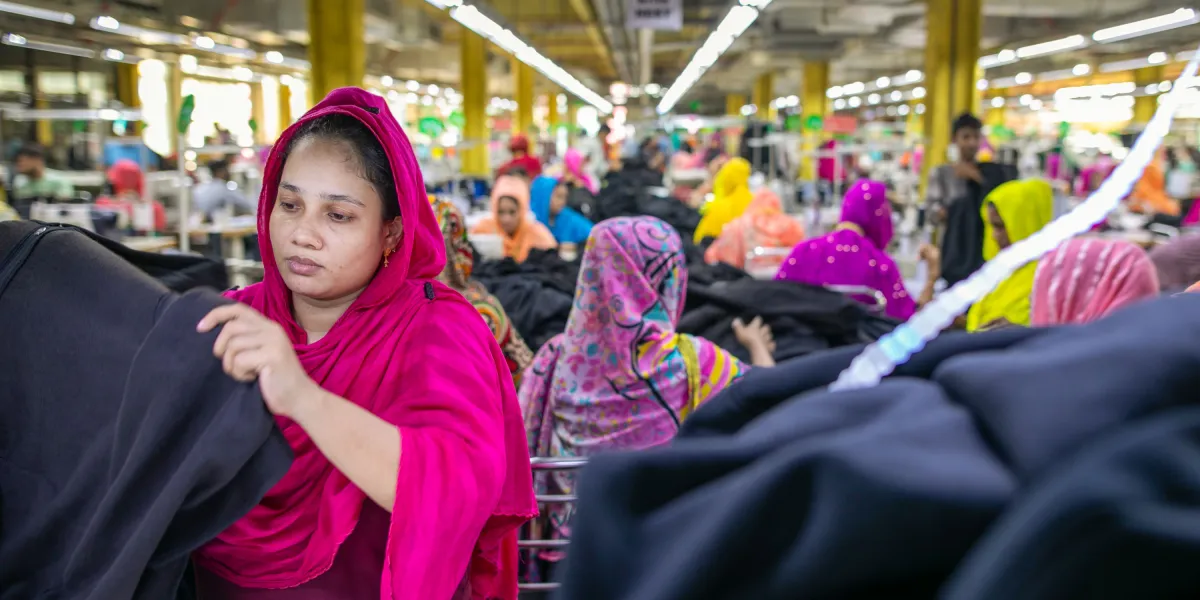
It’s a good start, but Bangladesh’s $40 billion textile industry still has a long way to go. Changes in environmentalism at the factory level have not led to better results for the sector’s 4.4 million workers.
Wage theft and delayed payments are widespread. The minimum wage, about 12,500 taka per month (about $113), is far less than the $200 proposed by unions – meaning frequent strikes and protests over wages, overtime and job security. “Since Rana Plaza, building safety and factory conditions have improved, but the mentality remains unchanged,” says AKM Ashraf Uddin, executive director of Bangladesh Labor Foundation, a non-profit labor rights group. “Profits still come first, and workers’ freedom of expression has not yet been realized.”

Zakir Hussain Chaudhary
In the worst case scenario, green industry practices may actually increase inequality. Small factories dominate the sector, and they struggle to afford upgrades. But without those upgrades, businesses could find themselves locked out of some markets. One of them is the European Union, which plans to require companies to address human rights and environmental problems in their supply chains starting in 2027. A clean Buriganga river fixes a small corner of the vast tapestry of need.
Zakir Hossain Chowdhury is a visual journalist based in Bangladesh.
