
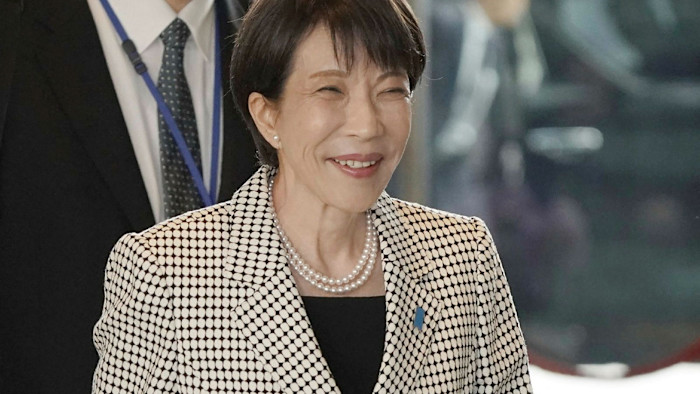
Sanae Takaichi’s landslide win in Japan’s February 2026 snap election sent Japanese equities to fresh record highs, but the rally also revived a debate among investors about how durable the so-called “Takaichi trade” really is. Takaichi, who became Japan’s first woman prime minister in October 2025, led the Liberal Democratic Party to a historic supermajority, and the result reshaped expectations across Japan’s stock, currency and bond markets.
Stocks surge as bonds and the yen stay calmer
Following the vote, the Nikkei 225 pushed to new records, surpassing the 57,000 level for the first time. That equity strength contrasted with relatively contained moves in the yen and in Japanese government bonds (JGBs), which had been more volatile before the election amid concern about Takaichi’s spending plans. To some investors, the post-election gap between buoyant stocks and calmer rates and currency markets suggested the new prime minister had reassured markets that her agenda would be ambitious but restrained. Others were less certain what a more empowered Takaichi would ultimately mean.
The yen and the Bank of Japan
Currency strategists flagged the yen as the key pressure point. With the yen trading around 153 to the dollar, analysts at Citi suggested authorities could intervene if it weakened toward 160, and Japanese officials issued verbal warnings about that possibility. The Bank of Japan sat awkwardly in the middle: markets expected at least two interest-rate increases during 2026, yet some traders questioned whether Takaichi would prefer the central bank to delay hikes to preserve fiscal room, a stance that would make defending the yen harder.

Seeking to avoid a confrontation with financial markets, Takaichi said her campaign comments about the yen had been “misunderstood,” and struck a more measured tone in her first post-election press conference.
Why some analysts remain cautious
Several bank economists argued that the election did not change the structural forces behind the yen’s weakness. Economists at JPMorgan noted that a leader with a strong mandate has less room to blame parliamentary resistance for difficult decisions. Strategists at Bank of America argued that companies and investors would keep seeking returns outside a slower-growing Japan, and that the yen “carry trade” – borrowing low-yielding yen to buy higher-yielding assets elsewhere – was unlikely to reverse quickly on the back of an election result alone. In their view, a lasting shift would require sustained evidence that Japan had become a better place for long-term investment, something that takes years rather than weeks.

Underlying many of these concerns is Japan’s public debt, among the highest in the developed world at roughly 237 percent of gross domestic product, which limits how much additional borrowing any government can comfortably take on.

What to watch
This is a snapshot of market sentiment around a specific event in early 2026, not a prediction or investment recommendation, and the views described belonged to particular analysts at the time. Market conditions, interest-rate expectations and currency levels change quickly, and the durability of any post-election rally depends on policy execution, Bank of Japan decisions and global conditions well beyond a single vote. Readers making financial decisions should consult current data and a qualified professional rather than rely on commentary tied to one moment. Independent coverage of the election result is available from CNN and NPR.
