
“Through some careful scientific work, our team has managed to decode the acoustic emissions,” says Martin Z. Bazant, professor of chemical engineering and mathematics. They were able to classify them as two primary mechanisms of fracture, degradation, and failure caused by gas bubbles resulting from side reactions or the expansion and contraction of the active material.
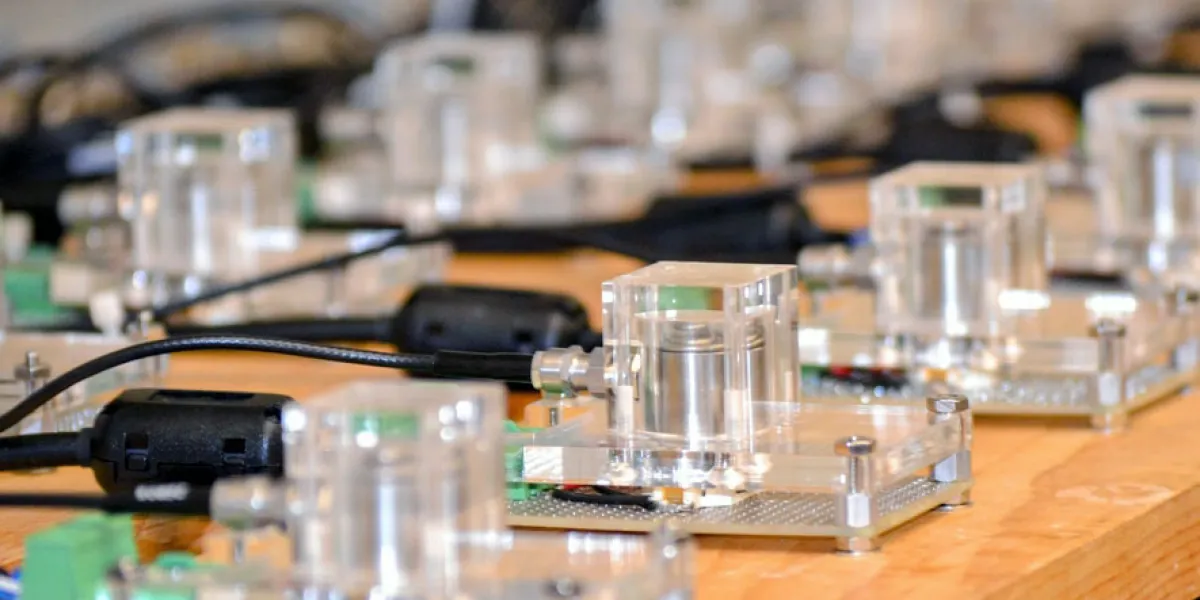
The team combined electrochemical testing of working batteries with recordings of their acoustic emissions, using signal processing to correlate sound characteristics with voltage and current. They then took apart the batteries and studied them under an electron microscope to detect fracturing.
Along with researchers at Oak Ridge National Laboratory, the team also worked showed Acoustic emissions can warn of gas production before thermal runaway, which can cause a fire. As Bazant says, it’s “like seeing the first tiny bubbles in a pot of hot water long before it boils.”
