Microsoft Build 2026 opened in San Francisco on June 2 with a message enterprise technology leaders were meant to take literally: the age of the AI agent as an unmanaged side project is over. Agents are joining the org chart, and the tooling around them is being built for compliance teams as much as for developers. From the keynote stage, chairman and CEO Satya Nadella framed the shift bluntly — in his telling, Windows no longer just runs agents, it becomes the agent — and the substance behind that line was a governance layer deep enough to satisfy IT and risk officers. The conference was less about any single product than about a philosophy, expressed through hardware, software, and pricing.
Why governance became the product
For the past two years, enterprise AI adoption has been held back by a specific anxiety: a user deploys an agent, the agent gains file-system access, the audit trail comes up empty, and compliance starts to panic. “Shadow AI” — tools running inside organizations without oversight — turned that fear into a board-level concern. Build 2026 answered it by treating governance itself as the headline feature rather than an afterthought.
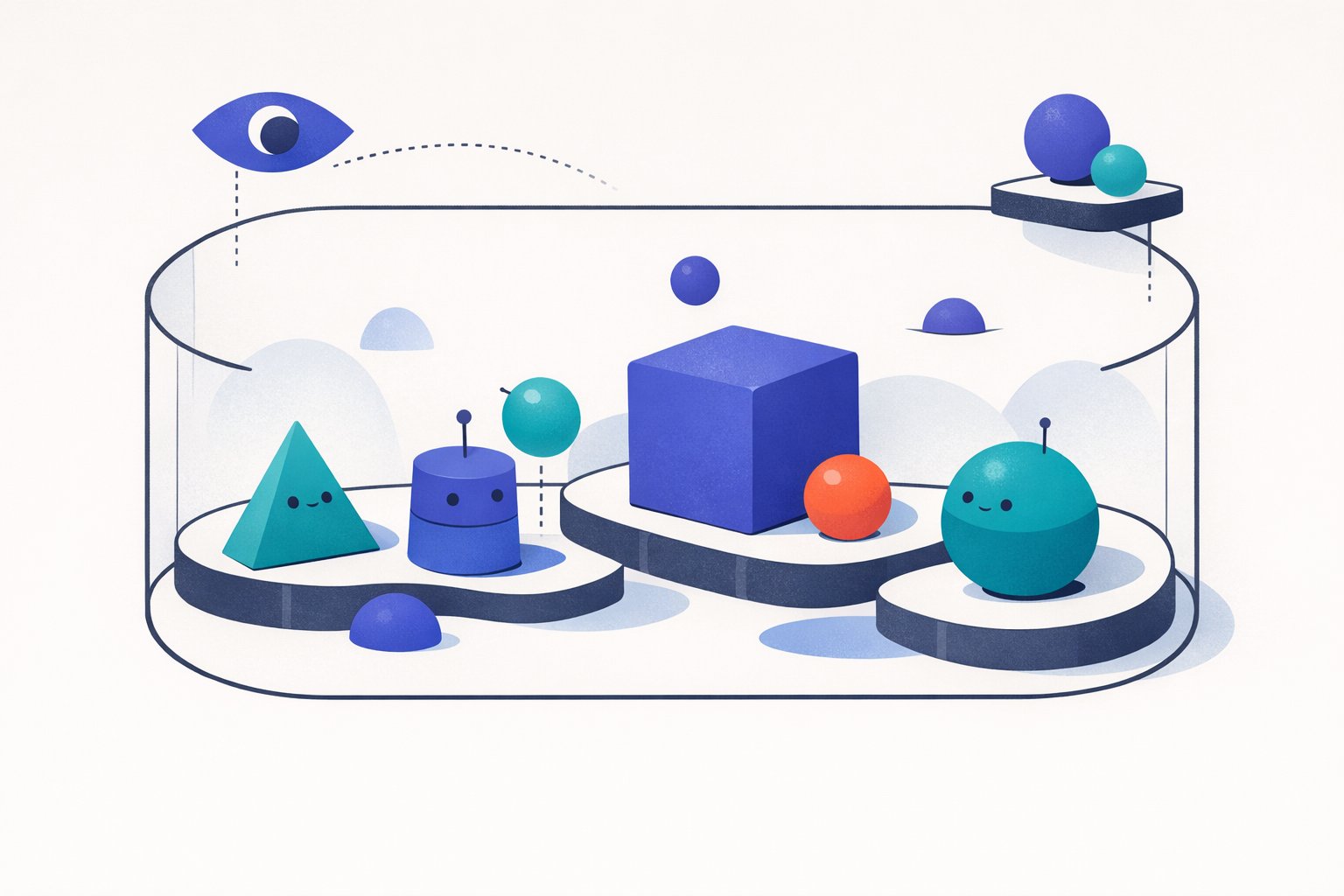
5 questions to ask your AI agent vendor before buying
Most AI agent failures don’t happen during demos. This happens when the API fails, the context window bursts, costs increase, and no one can explain why the agent made a decision. Here are five questions that separate production-ready platforms from expensive experiments.
What was announced
The GitHub Copilot App arrived as a standalone native desktop application for Windows, macOS, and Linux, with three operating modes — interactive, plan, and autopilot — and parallel sessions through Git worktrees that push it well beyond simple autocomplete. It shipped immediately, with no waiting list, across the Pro, Pro+, Business, and Enterprise tiers. Alongside it came a sandboxed execution container that gives each agent its own hardened runtime, so administrators can apply the governance policies they already manage through Intune and Group Policy. Developer reaction was cautiously positive, with the sandboxing and containment limits singled out as the conditions that make file-access agents safe to run at all.
On the model side, Microsoft’s in-house MAI family now sits beside cloud options and next-generation OpenAI models inside the Azure AI Foundry ecosystem. The multi-model approach is deliberate: enterprise buyers worry about lock-in, and offering several model families is a direct response to that concern.
How RLHF encodes bias through alignment manipulation. AIAI
Your reward model is learning what your interpreters like. The problem is that “better” and “fairer” are two different things, and RLHF has no way to tell them apart.
Where Microsoft’s advantage lies
Competitors are moving in parallel — Google is building agents into Android and its Vertex AI Agent Builder, and Apple is integrating a next-generation Siri agent across macOS and iOS — but none match Microsoft’s enterprise footprint. Windows runs on more than a billion machines, and Microsoft 365 is already embedded in most corporate budgets. The sharper differentiator is governance: native integration with Active Directory, Purview, and Microsoft Sentinel goes deeper than the compliance features rivals offer. For regulated sectors such as banking, healthcare, and insurance, that integration is often what separates a proof of concept from a production rollout. The distribution was always there; Build 2026 is the attempt to convert that installed base into a governed fleet of agents.
What decision-makers should weigh
The practical question for technology leaders is no longer whether to evaluate an agent stack, but whether their organization can govern one. The capabilities are arriving quickly; the controls, audit trails, and identity integration are what determine whether agents can be trusted with real systems and data.
Why don’t smart companies add AI everywhere?
Boards want AI roadmap. Competitors are shipping AI features. And 74% of companies still can’t pay it. This piece breaks down an eight-point framework that separates disciplined AI adoption from costly noise.