
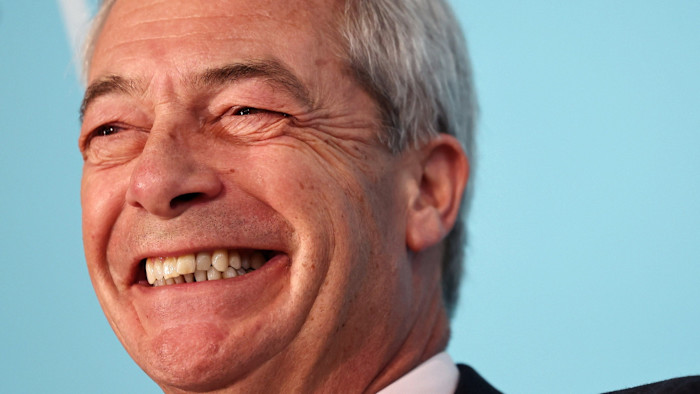
Reform UK, the party led by Nigel Farage, has received a second major donation from the British-born, Thailand-based businessman Christopher Harborne, cementing his position as one of the most significant private donors in recent British political history. The contributions, recorded in UK Electoral Commission filings, have helped the party out-raise both Labour and the Conservatives over the period in question.
Who the donor is
Christopher Harborne is an aviation entrepreneur — founder of the aviation-fuel company AML Global — and a long-standing cryptocurrency investor. He holds a substantial stake in Tether, the company behind the largest stablecoin, and its associated exchange Bitfinex. He was born in Britain but has lived in Thailand for around two decades, where he is also known as Chakrit Sakunkrit. He is reported to be a major shareholder in the British defence firm QinetiQ. Harborne is not a new presence in Farage-aligned politics: he gave large sums — reported at around £10 million — to the Brexit Party around the 2019 general election.
The scale of the donations
According to figures published by the Electoral Commission and reported by the Financial Times, Harborne’s £9 million gift in 2025 was recorded as the largest single donation by a living individual to a UK political party, and a further multi-million-pound donation followed. Taken together, his support accounts for a large share of Reform’s total fundraising — by some later estimates more than two-thirds of the party’s donations since its founding. The party reported markedly higher cash donations than its main rivals over the relevant quarter, though exact quarterly totals vary between filings and reports and are best confirmed directly against Electoral Commission records.
Why crypto wealth in politics drew scrutiny
The donations attracted attention partly because of their source. A large fortune tied to cryptocurrency, held by a donor resident overseas, sits at the intersection of two debates in UK politics: the transparency of political finance and the regulation of digital assets. That scrutiny fed into wider policy change. Following a 2026 review of political-donation rules, the UK moved to restrict donations linked to crypto assets and to cap contributions from British citizens living abroad — measures that would materially affect the kind of giving described here. Background on the donor is summarised in his public profile.
The wider context
The episode illustrates how concentrated a modern political party’s funding can become, and how quickly the rules around it can shift. For readers, the durable point is less about any single figure than about the direction of travel: large individual donations, particularly those connected to new asset classes or overseas residency, are drawing closer regulatory attention. The precise amounts and dates in this story should be checked against the latest Electoral Commission disclosures, which are updated as new filings are processed.
