
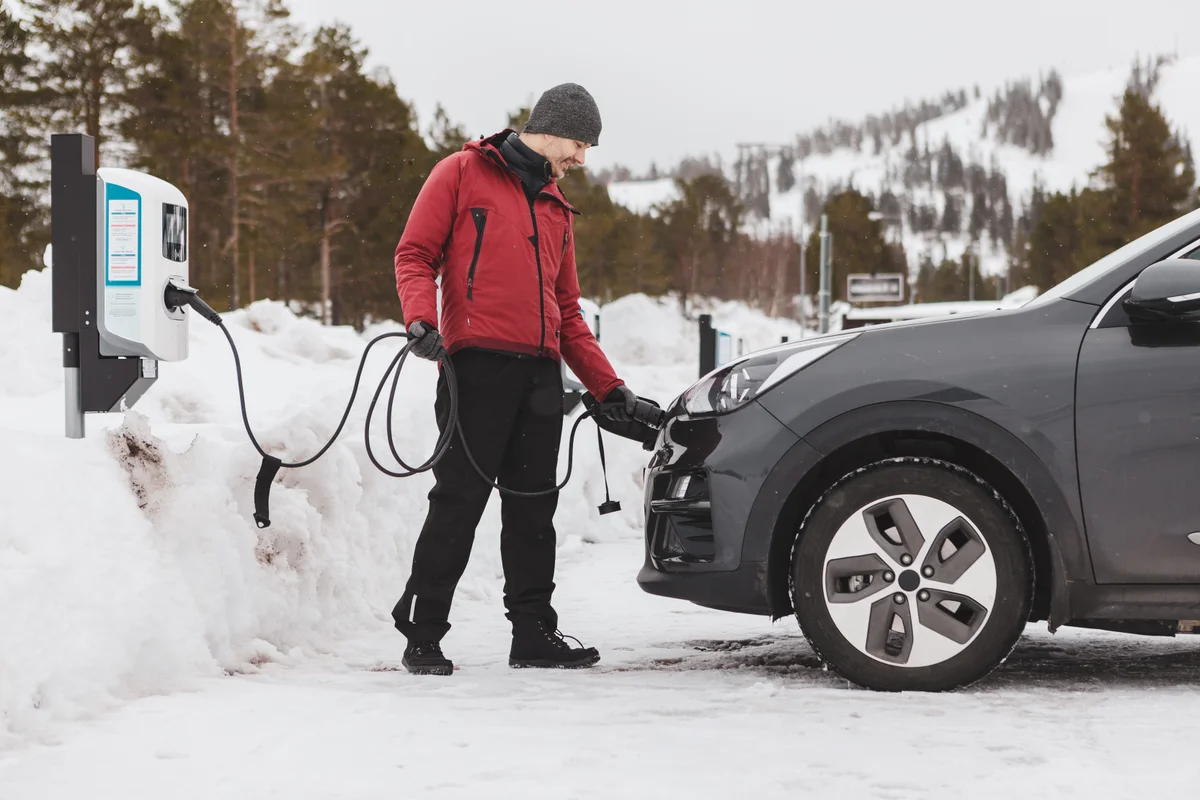
An element found in common table salt could help shape the next phase of electric-vehicle adoption in China. The battery maker CATL (Contemporary Amperex Technology, based in Ningde) and the automaker Changan Automobile have announced plans to put the world’s first mass-production passenger EV powered by a sodium-ion battery on the road by mid-2026, addressing one of the technology’s most stubborn weaknesses: range loss in cold weather.
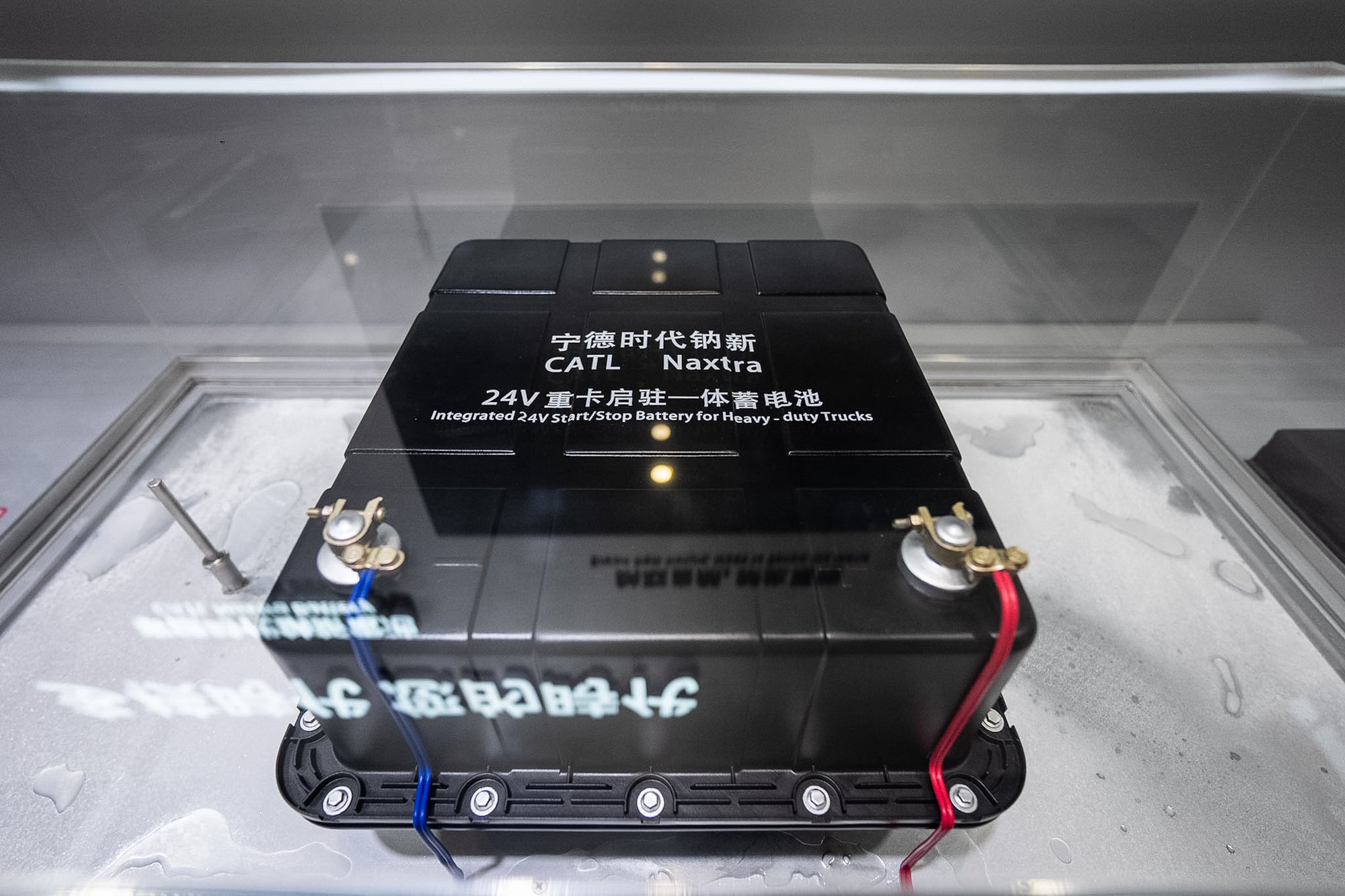
The NEXTRA sodium-ion battery relies on abundant sodium instead of lithium to achieve superior winter performance.
Chan Long Hei/Bloomberg via Getty Images
Why sodium instead of lithium
Sodium-ion batteries replace lithium with sodium, a far more abundant material. Sodium ions are larger and form weaker bonds with the liquid electrolyte, which can let them move more freely than lithium ions when cold thickens that electrolyte. The practical result is that sodium-based systems often hold up better in winter, retaining more usable power and capacity at low temperatures where conventional chemistries fade.
What CATL says the Naxtra battery can do
CATL’s sodium-ion battery, branded Naxtra, is designed to operate in extreme cold. The company says that at -30°C (-22°F) it can deliver roughly three times the discharge power of equivalent lithium iron phosphate (LFP) cells — the affordable, standard-grade batteries that dominate China’s EV market — and that power delivery remains stable in conditions as low as -50°C (-58°F). CATL also reports the pack retains more than 90% of its range at -40°C.
The first vehicle to use it, the Changan Nevo A06 sedan, is expected to offer about 400 kilometres (roughly 249 miles) of range on the China Light-Duty Vehicle Test Cycle (CLTC). The cells are rated at up to 175 watt-hours per kilogram — about 90% of the energy density of current LFP batteries, and described by analysts as close to the practical upper limit of today’s sodium-ion technology. A cell-to-pack design, which places cells directly into the pack rather than bundling them into separate modules first, helps recover some of the density lost by using sodium.
Why it matters beyond China
CATL is the world’s largest EV battery maker, producing an estimated 40% of global supply, so its commitment is an early signal of whether sodium-ion can eventually lower battery costs and reduce dependence on lithium. These particular vehicles are unlikely to reach the United States, but the chemistry’s progress is being watched closely as a potential route to cheaper, cold-tolerant batteries for short-range, city-focused cars.
Limitations and what to watch
Several caveats apply. CLTC figures are laboratory results and typically run higher than U.S. EPA-style ratings, so real-world range will be lower. At about 175 Wh/kg, sodium-ion still trails nickel-rich lithium chemistries on energy density, which is why early use cases centre on affordable, shorter-range vehicles rather than long-distance models. Performance claims here come from the manufacturer and await independent, in-vehicle verification. CATL has suggested density could climb toward 200 Wh/kg and ranges toward 600 km as the supply chain matures, but those are projections rather than shipping specifications.
Reporting on the announcement is available from Scientific American and InsideEVs.
