
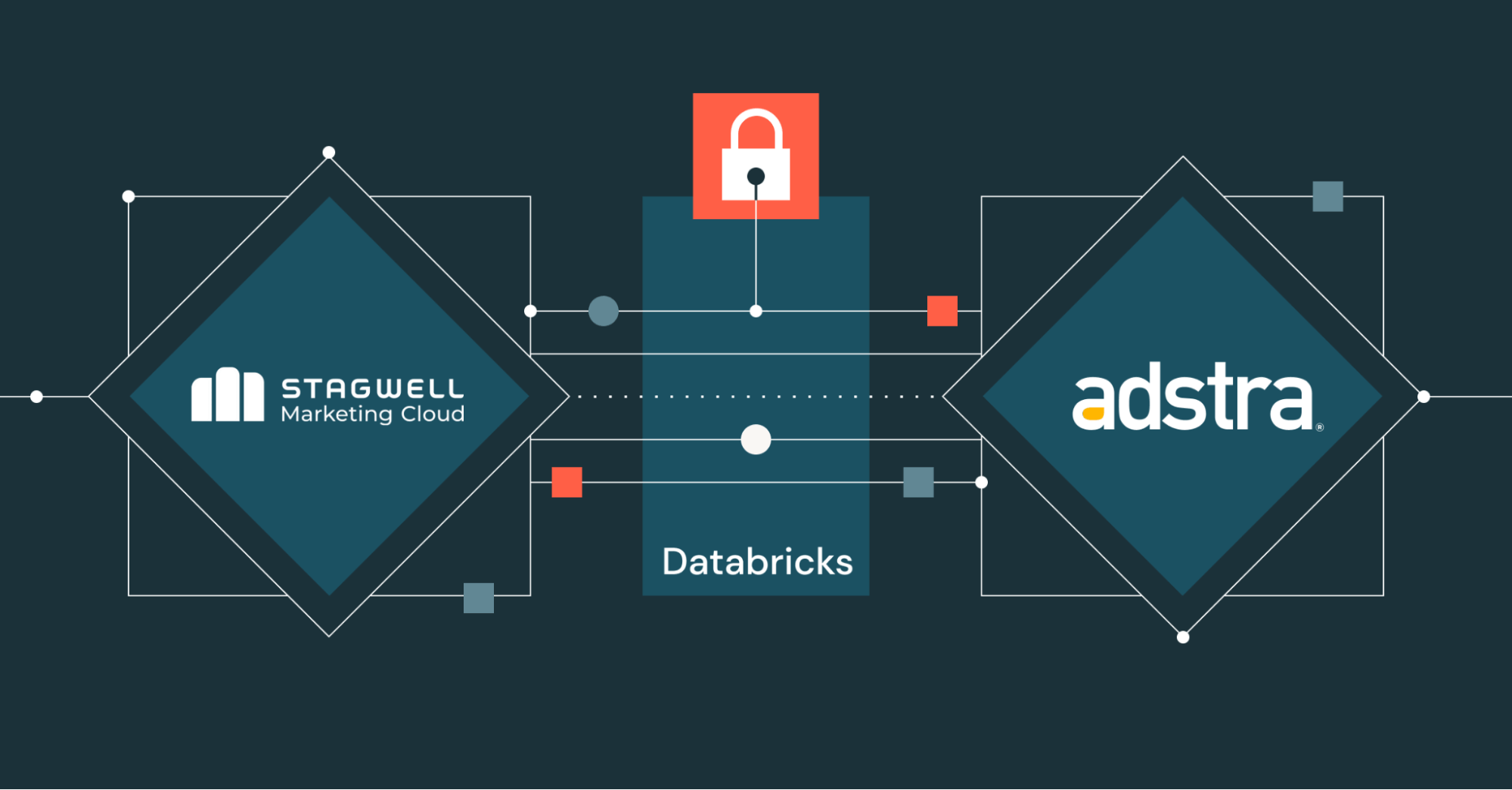
Privacy-first marketing data collaboration is the focus of a partnership announced in early 2026 between Stagwell’s The Marketing Cloud, identity-resolution company Adstra and the data and AI company Databricks. The collaboration aims to let brands enrich their first-party data and build audiences without exposing raw data, using Databricks Clean Rooms as the shared, governed environment. This article explains what the arrangement involves and the practical questions marketers should keep in mind.
The problem it targets
A recurring question for marketers is how to enrich first-party datasets, uncover audience insight and run effective campaigns while staying compliant with privacy rules and keeping data secure. Traditional approaches often rely on cumbersome file transfers and long integration cycles that create both operational friction and privacy risk. The partnership positions a shared, permissioned environment as an alternative to moving raw data between organisations.
What The Marketing Cloud provides
The Marketing Cloud is an integrated, AI-assisted platform for marketing, research and media activation. It connects creative assets, marketing data and media operations through modular products designed to plug into existing martech stacks, and it offers brands privacy-safe access to multi-source datasets that can be blended with their own first-party data for audience targeting. The stated benefit is more streamlined data ingestion, normalisation and omnichannel activation, reducing fragmentation across tools.
What Adstra adds
Adstra contributes identity resolution through its Conexa Identity Network, made available to Marketing Cloud clients inside the clean-room environment. The integration links Adstra’s validated digital identity resolution into Stagwell’s identity graph, extending reach into additional audience categories such as health and wellness indicators, caregiver status, financial trends and other lifestyle and demographic segments. According to the companies, this expands the set of addressable audiences available to Marketing Cloud clients and improves the accuracy of identity linkage.
How Databricks Clean Rooms fit in
A data clean room is a controlled environment where two or more parties can combine and analyse data without either side seeing the other’s raw records. Within Databricks Clean Rooms, brands can join their first-party data with Adstra and Stagwell intelligence for a privacy-safe view of the customer journey that is ready for activation across channels. Databricks describes the clean room as supporting a “zero-copy” model built on Delta Sharing, with multi-party and multi-cloud collaboration and integration with AI and machine-learning pipelines for modelling and reporting. In practice this is intended to let organisations analyse audience overlap and build models against combined data without transferring underlying files.
What the partnership is meant to enable
For brands, publishers and partners, the stated outcomes include sharper audience targeting, wider visibility across identity groups, faster time-to-insight with less manual data handling, and improved campaign return on investment through more precise audiences, all while keeping data governed and compliant.
What to watch
Most of the specific benefits here are vendor claims describing intended outcomes rather than independently measured results, so marketers should validate them against their own use cases. Phrases such as “zero data exposure” describe the design goal of clean rooms, but real-world privacy depends on how the environment is configured, what queries are permitted and how outputs are governed; clean rooms reduce, rather than eliminate, the need for careful data governance and legal review. The value of expanded audience categories also depends on data quality, match rates and applicable regulations in each market, which vary by jurisdiction and by the type of data involved. Organisations evaluating the approach should confirm current capabilities, supported clouds and compliance coverage directly with the vendors. Teams already invested in this stack may find related context in coverage of Databricks system tables for observability. Further detail is available from Databricks and Adstra.
